Many patients come to us concerned about sudden or unexplained weight gain and ask an important question: does sleep apnea cause weight gain? The connection between sleep apnea and weight gain is medically documented, yet often misunderstood. While excess weight is a known risk factor for developing obstructive sleep apnea, the reverse can also be true untreated sleep apnea can disrupt hormones, metabolism, and energy levels, making weight management significantly harder.
Common sleep apnea symptoms such as loud snoring, daytime fatigue, morning headaches, and poor concentration may also signal deeper metabolic changes. At The Sleep Clinic, our specialists frequently evaluate patients who struggle with both sleep apnea and weight fluctuations. Through comprehensive sleep apnea treatment and advanced sleep study testing, we help identify whether disrupted sleep is contributing to ongoing weight challenges and overall health concerns.
What Is Sleep Apnea?
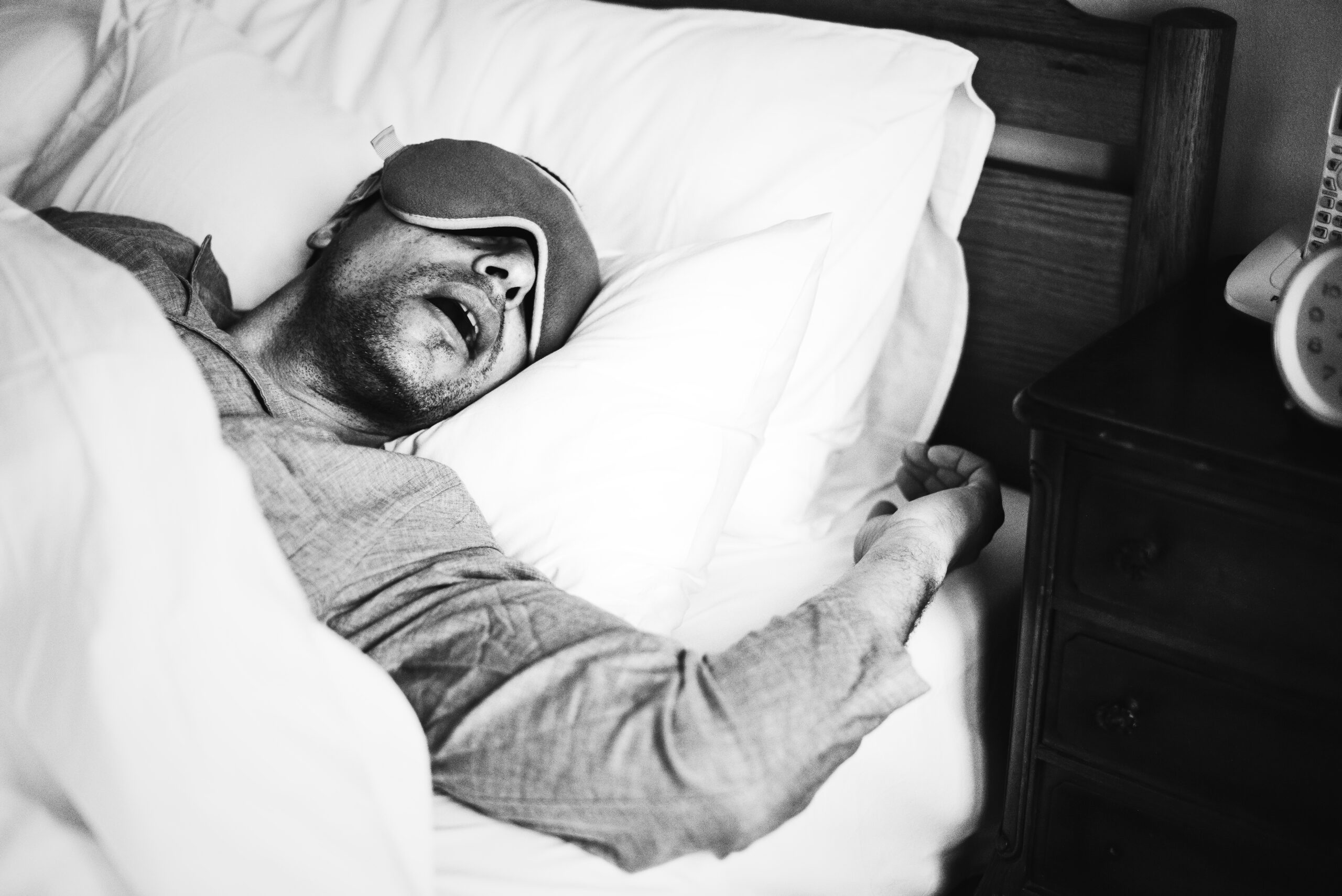
Sleep apnea is a medical condition in which breathing repeatedly stops and starts during sleep, disrupting oxygen flow and hormonal balance. When airflow is blocked or reduced, the brain briefly wakes the body to restore breathing. These repeated interruptions fragment normal sleep cycles and lower oxygen levels throughout the night.
The most common type is obstructive sleep apnea (OSA), which occurs when throat muscles relax and block the airway. Many patients remain unaware they have the condition until symptoms worsen.
Common sleep apnea symptoms include:
- Loud, chronic snoring
- Daytime fatigue or excessive sleepiness
- Morning headaches
- Gasping or interrupted breathing during sleep
Without proper evaluation, these disruptions can continue for years. At The Sleep Clinic, we provide comprehensive sleep evaluations and diagnostic sleep studies to accurately diagnose sleep apnea and guide personalized treatment plans based on clinical findings.
How Sleep Regulates Weight and Metabolism
Quality sleep plays a direct role in maintaining healthy sleep and metabolism balance. When sleep is disrupted, the body experiences a sleep hormone imbalance that affects appetite control, stress response, and blood sugar regulation.
During normal sleep, the body regulates key hormones:
- Ghrelin increases hunger signals
- Leptin promotes feelings of fullness
- Cortisol, the stress hormone, follows a natural daily rhythm
- Insulin sensitivity helps the body process glucose efficiently
When sleep is fragmented, as seen in untreated sleep disorders, ghrelin levels rise while leptin decreases. Elevated cortisol and sleep disruption can also impair insulin sensitivity. This combination contributes to sleep deprivation and weight gain, increased cravings for high calorie foods, and a slower metabolic rate. Understanding this connection helps explain how chronic sleep disturbances affect long term weight regulation.
Does Sleep Apnea Cause Weight Gain?
Yes, untreated sleep apnea can contribute to weight gain due to hormonal disruption, fatigue, and metabolic changes. For patients asking, does sleep apnea cause weight gain, the medical evidence shows a clear connection between disrupted breathing during sleep and long-term metabolic imbalance.
Sleep apnea and weight gain are closely linked because repeated breathing interruptions prevent the body from reaching restorative REM sleep. These nightly disruptions trigger several physiological effects:
- Repeated awakenings disturb deep and REM sleep cycles
- Drops in oxygen levels increase cortisol production
- Elevated cortisol promotes fat storage and cravings
- Reduced insulin sensitivity increases the risk of weight gain
- Chronic fatigue lowers daily physical activity
Over time, these untreated sleep apnea effects can make maintaining a healthy weight extremely difficult. At The Sleep Clinic, we frequently evaluate patients who report unexplained weight gain despite diet and exercise efforts. After proper diagnosis and targeted treatment, many patients experience improved energy levels and better metabolic stability, reinforcing the importance of early intervention and professional sleep care.
Why Sleep Apnea Makes Losing Weight So Difficult
For many patients, sleep apnea weight loss difficulty becomes a frustrating cycle. Even with diet changes and exercise, progress may feel slow or nonexistent because untreated sleep apnea affects multiple systems that regulate energy and fat storage.
Common barriers include:
- Persistent fatigue that reduces motivation for physical activity
- Hormonal imbalance that increases cravings for high calorie foods
- Poor sleep quality that limits muscle recovery after exercise
- Insulin resistance that promotes fat storage instead of fat burning
When breathing interruptions continue nightly, the body remains in a stress response state, making sustainable weight management harder.
Effective treatment can change this trajectory. Research supports the role of CPAP and weight management by improving oxygen flow and restoring healthier sleep cycles. At The Sleep Clinic MD, we provide personalized sleep apnea treatment plans tailored to each patient’s medical history, ensuring targeted care rather than one size fits all solutions.
The Two-Way Relationship Between Obesity and Sleep Apnea
The connection between obesity and sleep apnea is complex and cyclical. Excess body weight, particularly around the neck and upper airway, can narrow the breathing passages and increase airway collapse during sleep. This makes obesity one of the most significant sleep apnea risk factors.
At the same time, untreated sleep apnea contributes to metabolic disruption, hormonal imbalance, and reduced energy expenditure. Over time, this can promote additional weight gain, further worsening airway obstruction.
This cycle often progresses through:
- Increased fat deposits around the throat
- Oxygen drops that alter metabolic regulation
- Fatigue that limits physical activity
When left untreated, both conditions can reinforce each other and raise long term health risks. Breaking this cycle requires medical intervention, not just diet and exercise alone. Early evaluation can help prevent further complications and support sustainable health improvement.
Signs Your Weight Gain May Be Linked to Sleep Apnea
Certain sleep apnea symptoms may indicate that weight changes are connected to disrupted sleep rather than lifestyle alone. If you are experiencing the following concerns, a clinical evaluation may be appropriate:
- Rapid or unexplained weight gain
- Persistent daytime fatigue despite adequate time in bed
- Loud, chronic snoring reported by a partner
- Brain fog or difficulty concentrating
- Frequent morning headaches
- Difficulty losing weight despite consistent diet and exercise efforts
Because symptoms can overlap with other health conditions, an accurate sleep apnea diagnosis through professional sleep testing is essential. If these symptoms sound familiar, a professional sleep evaluation may be necessary.
How The Sleep Clinic Can Help
If you are searching for a trusted sleep clinic that provides comprehensive and patient focused care, The Sleep Clinic offers advanced solutions tailored to your needs. Our board-certified specialists focus on accurate diagnosis and long-term health improvement rather than temporary symptom relief.
Our services include:
- In lab sleep studies for detailed overnight monitoring
- Convenient home sleep testing options
- CPAP therapy management and equipment guidance
- Customized treatment plans based on clinical findings
- Ongoing patient support and follow up care
Whether you are looking for a sleep study near me or specialized sleep apnea treatment in Rockville, our team delivers evidence-based care designed to improve sleep quality and overall metabolic health. Schedule a consultation today.
Practical Tips for Managing Weight with Sleep Apnea
Effective weight control begins with properly managing sleep apnea under medical supervision. Addressing the root cause of disrupted sleep improves the body’s ability to regulate hormones and metabolism.
Clinically supported recommendations include:
- Seek a professional sleep evaluation before starting any weight loss program
- Use prescribed therapy such as CPAP consistently every night
- Prioritize 7 to 9 hours of restorative sleep
- Limit alcohol intake before bedtime to reduce airway relaxation
- Maintain a balanced diet that supports stable blood sugar levels
These strategies work best when combined with structured treatment and monitoring. Establishing healthy sleep habits alongside professional care helps create a stronger foundation for long term metabolic and overall health improvement.
Conclusion
So, does sleep apnea cause weight gain? In many cases, yes. Untreated sleep apnea can disrupt hormones, increase fatigue, and impair metabolism, all of which contribute to weight challenges over time. The good news is that appropriate diagnosis and evidence-based treatment can improve energy levels, support metabolic balance, and enhance overall health.
Do not ignore persistent symptoms such as loud snoring, daytime fatigue, or unexplained weight changes. If you’re struggling with unexplained weight gain and poor sleep, The Sleep Clinic can help identify the root cause and create a personalized treatment plan.
Frequently Asked Questions
Q1. Can CPAP help with weight loss?
Ans: Continuous Positive Airway Pressure therapy improves oxygen flow and restores normal sleep cycles. While CPAP is not a weight loss device, consistent use can enhance energy levels, regulate cortisol, and improve insulin sensitivity. These changes may support healthier metabolism and make weight management more achievable when combined with medical guidance and lifestyle adjustments.
Q2. Is weight gain a symptom of sleep apnea?
Ans Weight gain is not a direct symptom, but untreated sleep apnea can contribute to metabolic imbalance, increased appetite, and fatigue. These factors may indirectly promote weight gain over time.
Q3. How is sleep apnea diagnosed?
Ans: Sleep apnea diagnosis requires professional sleep testing. This may include in lab polysomnography or home sleep testing performed under medical supervision to evaluate breathing patterns, oxygen levels, and sleep stages.