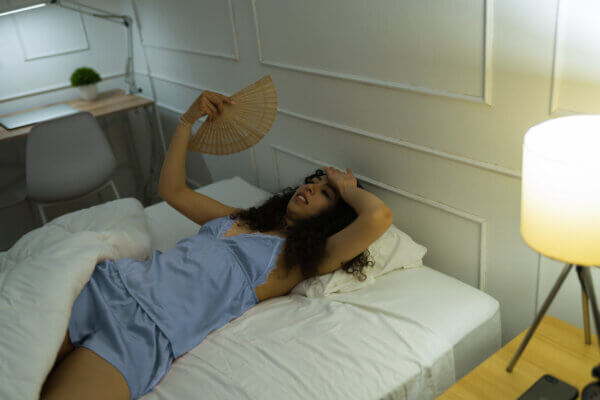
You’re lying in bed at 2 AM. Again.
The AC is running, but your bedroom still feels like a sauna. Your sheets are damp. You’ve flipped your pillow to the cool side three times already. And despite being exhausted, sleep won’t come.
If you have sleep apnea, Maryland’s summer heat isn’t just uncomfortable—it’s making your condition worse. The combination of high temperatures (often 85-95°F) and humidity (70-80%) creates a perfect storm for disrupted breathing and terrible sleep. This isn’t about toughing it out until fall. Heat and humidity physically change your airways, increase apnea events, and make CPAP therapy harder to tolerate.
But there’s good news. Once you understand what’s happening in your body during hot summer nights, you can take specific steps to sleep better. We’ll cover the science behind heat-related sleep problems, why sleep apnea symptoms spike in summer, and practical solutions that actually work.
Why Is It So Hard to Sleep When It’s Hot?
Your body has one non-negotiable requirement for falling asleep: it must cool down.
Specifically, your core temperature needs to drop about 2°F (1.3°C) to trigger sleep onset. This happens naturally as part of your circadian rhythm. Starting around 9 PM, your brain signals blood vessels near your skin to expand—a process called vasodilation. Blood flows to your hands, feet, and skin surface, releasing internal heat into the air around you.
Here’s the problem. This system only works if the air around you is cooler than your skin. When your bedroom is 80°F with 75% humidity, there’s nowhere for your body heat to go. It’s like trying to cool a pot of boiling water by setting it on a warm stove.
Maryland summers make this worse. Late May through August brings consistent heat and oppressive humidity. Even if you run your AC, it’s often not enough to drop the temperature to the ideal sleep range of 60-67°F. Add in long summer days (sunset around 8:30 PM), and your body’s melatonin release gets delayed too.
The result? Your sleep cycles get shredded.
Heat fragments both deep sleep and REM sleep—the restorative stages your body needs most. You might spend eight hours in bed but wake up feeling like you slept three. You toss and turn. You wake up multiple times. Morning comes, and you feel awful despite “getting enough sleep”.
For people with circadian rhythm sleep disorders, summer compounds the problem even further. Your internal clock is already fighting against natural sleep-wake patterns, and heat throws another obstacle in the way.
Does Heat Make Sleep Apnea Worse?
Yes. And the mechanism is straightforward.
Obstructive sleep apnea happens when your airway collapses during sleep, blocking airflow. Hot, humid air causes the tissues in your nose, throat, and soft palate to swell. If your airway is already narrow—which it is if you have sleep apnea—this swelling makes the blockages worse and more frequent.
Think of it like trying to breathe through a straw. Heat and humidity make the straw even narrower.
Research backs this up. A 2023 study published in Science of the Total Environment found a direct link between ambient humidity levels and increased apnea-hypopnea index (AHI) in patients with obstructive sleep apnea. Higher humidity meant more breathing events per hour. Another clinical analysis showed that heat waves correlate with worsening sleep apnea symptoms, particularly in patients who aren’t using CPAP therapy consistently.
Maryland’s summer weather hits both triggers at once: high heat AND high humidity.
Here’s what else happens. Humid air feels “heavy” when you breathe it. Your nasal passages get congested—partly from the humidity itself, partly from summer allergens like pollen that peak in June through August. Congestion forces you to breathe through your mouth more often. Mouth-breathing dries out your throat, increases snoring, and makes apnea episodes more likely.
It’s a feedback loop. Heat causes inflammation. Inflammation narrows airways. Narrower airways mean more apnea events. More apnea events fragment your sleep. Fragmented sleep prevents your body from cooling properly. And round it goes.
Warning Signs Your Sleep Apnea Is Worsening This Summer
Watch for these red flags:
- Increased daytime sleepiness, even if you’re using CPAP regularly
- Morning headaches that weren’t happening in cooler months
- Louder snoring reported by your partner
- Night sweats beyond what seems normal for the temperature
- Waking up gasping or choking more frequently than usual
If you’re noticing two or more of these symptoms, it’s time to talk to a sleep specialist. Don’t assume it’s “just the summer.” Untreated or worsening sleep apnea increases your risk of high blood pressure, heart disease, stroke, and diabetes.
Why Does Your Body Heat Up at Night?
Here’s something that confuses a lot of people. Your core body temperature actually drops during sleep. But you feel hotter. What’s going on?
Remember vasodilation—the process where your blood vessels expand to release heat? That makes your skin feel warm, even though your internal temperature is falling. Your hands, feet, and face get warmer as blood rushes to the surface. If you touch your forehead at 2 AM in summer, it’ll feel hot. But your core temperature has still dropped from its daytime high of 98.6°F or higher.
Normally, this works fine. Your skin releases heat into cool bedroom air, and you drift off.
But summer nights prevent that heat release. Your body keeps trying to cool down. Blood keeps rushing to your skin. You start sweating. The sweat can’t evaporate in humid air, so it just sits on your skin, making you feel gross and overheated. You wake up.
Sleep apnea makes this worse. Every time you stop breathing during an apnea event, your body triggers a stress response. Your heart rate spikes. Adrenaline releases. That generates even more internal heat. So you’re stuck in another vicious cycle: heat disrupts sleep, sleep apnea creates more heat, and neither your body nor your bedroom can cool down enough to break the pattern.
Your body’s lowest temperature point should happen about 2-4 hours after you fall asleep. If you have sleep apnea and it’s hot outside, that drop might never happen. You’ll spend the whole night in a semi-wakeful state, sweating and uncomfortable.
Summer CPAP Challenges And How to Fix Them
If you use a CPAP machine, summer brings a whole new set of frustrations.
The most common complaint? Condensation in your tubing. CPAP manufacturers call it “rainout.” It happens when warm, humidified air from your machine travels through the tube, hits cooler air (from your AC), and turns into water droplets. You wake up to gurgling sounds and water splashing into your mask. Disgusting and disruptive.
Your mask also feels unbearable. It’s hot. It’s sweaty. The silicone sits on your face like a heating pad. If you have a full-face mask, the sweating and skin irritation get even worse. You’re tempted to rip the thing off and sleep without it—which defeats the purpose entirely.
Here’s how to fix these problems.
Adjust Your CPAP Humidity Settings
Most CPAP machines let you control humidifier intensity. Lower it by 1-2 levels during Maryland’s humid months. You need less added moisture when the air already contains 70-80% humidity. If you normally use a setting of 4, try dropping to 2 or 3.
Some machines also let you adjust the tube temperature. If you’re getting rainout, increase tube temperature slightly—about 1-2°C higher than normal. This keeps the air inside the tube warm enough that it won’t condense when it hits cooler bedroom air. It sounds counterintuitive, but it works.
If your bedroom is extremely humid (even with AC running), consider switching to passive humidification instead of heated humidification during peak summer. Talk to your equipment supplier or contact The Sleep Clinic for guidance on your specific machine model.
Make Your Mask More Comfortable
Use mask liners. These thin fabric barriers sit between your skin and the silicone cushion. They absorb sweat, reduce friction, and make the mask feel less suffocating on hot nights. You can buy disposable ones or washable fabric versions.
Clean your mask every single day in summer. Sweat and humidity create a breeding ground for bacteria. A dirty mask causes breakouts, irritation, and infections. It takes two minutes to rinse with mild soap and warm water. Do it every morning.
If you use a full-face mask, consider switching to nasal pillows for the summer months. Less surface contact means less sweating and heat buildup. Not everyone tolerates nasal pillows, but if you can, they’re much more comfortable in hot weather.
Apply a thin layer of barrier cream (like lanolin-based creams) to areas where the mask contacts your skin. This reduces friction and prevents the raw, irritated skin that comes from sweating under a mask all night.
Keep Your Bedroom Cool Enough
Your AC should be set between 60-67°F for optimal sleep—especially if you have sleep apnea. Yes, that’s colder than most people keep their bedrooms. But it’s necessary. Your body needs that cool environment to complete its natural temperature drop.
If you don’t have AC or can’t afford to run it that cold, use these workarounds:
- Close blackout curtains during the day to block heat buildup
- Open windows after sunset when outdoor temp drops below indoor temp
- Position a fan for cross-ventilation—but NOT aimed directly at your face or CPAP mask
- Use a portable AC unit in just your bedroom instead of cooling the whole house
7 Ways to Sleep Better in Maryland’s Summer Heat
Let’s get practical. Here’s what actually works.
1. Cool Your Bedroom Before Bed
Set your AC to 65-68°F at least one hour before bedtime. Your room needs time to reach that temperature. If you wait until you’re already in bed, you’ll spend the first hour sweating while the AC catches up.
Close curtains and blinds during the day—especially on windows that get direct afternoon sun. Open them after sunset to let cooler evening air in (if it’s safe and you don’t have pollen allergies).
Use fans strategically. Place one in the window to pull hot air out. Place another across the room to pull cool air in. This creates cross-ventilation that cools the room faster than AC alone.
2. Take a Warm Shower 60-90 Minutes Before Bed
This sounds wrong, but it works.
A warm (not hot) shower triggers vasodilation—those blood vessels near your skin expand. When you step out, your body releases heat rapidly into the cooler air. Your core temperature drops faster than it would naturally. That drop signals your brain that it’s time to sleep.
Don’t take a cold shower. That actually makes your body conserve heat, which is the opposite of what you want.
3. Use Breathable, Moisture-Wicking Bedding
Swap your sheets for cotton, bamboo, or linen. These materials allow air circulation and wick moisture away from your skin. Polyester and microfiber trap heat and sweat.
Ditch memory foam pillows and mattress toppers during summer. Memory foam is designed to respond to body heat, which means it gets warmer as you sleep on it. Switch to latex, buckwheat, or traditional innerspring for better airflow.
Consider a cooling mattress pad or topper designed for hot sleepers. Some use gel, others use phase-change materials that absorb and release heat. They’re not cheap, but if you’re suffering through Maryland summers, they’re worth it.
4. Stay Hydrated (But Smartly)
Drink water consistently throughout the day, not just at bedtime. Dehydration makes temperature regulation harder and increases sleep apnea severity.
If you’re sweating heavily during the day, add electrolytes. Plain water alone won’t replace what you’re losing. Sports drinks work, but watch the sugar content. Electrolyte tablets or powders are better.
Stop drinking fluids about 2 hours before bed. You need to stay hydrated, but you don’t want to wake up three times to pee. Find the balance.
5. Manage Summer Allergies Aggressively
Maryland pollen counts peak from June through August. Allergies cause nasal congestion, which worsens sleep apnea and makes sleeping in heat even harder.
Use a saline nasal rinse before bed every night. Neti pots or squeeze bottles work fine. This clears out pollen, dust, and irritants from your nasal passages, making breathing easier.
Run a HEPA air purifier in your bedroom. It filters out allergens and also circulates air, which helps with cooling.
Talk to your doctor about non-drowsy antihistamines if allergies are severe. Drowsy antihistamines might seem helpful for sleep, but they actually reduce sleep quality and can worsen sleep apnea symptoms.
6. Stick to a Consistent Sleep Schedule
Same bedtime and wake time every day—yes, even weekends.
Summer disrupts this naturally. Maryland’s late sunsets (around 8:30 PM in June and July) delay melatonin release. Your brain interprets daylight as a signal to stay awake. Use blackout curtains starting at 7 PM if you need to be in bed by 9 or 10 PM.
Avoid bright screens (phone, TV, laptop) for 1-2 hours before bed. Blue light delays melatonin even further. If you must use screens, enable night mode or wear blue-light-blocking glasses.
7. Avoid Alcohol and Heavy Meals at Night
Alcohol might make you feel sleepy, but it wrecks your sleep quality. It fragments REM sleep, worsens sleep apnea, and disrupts your body’s ability to regulate temperature. You’ll feel hotter and sleep worse.
Heavy meals generate internal heat through digestion. Eat dinner at least 3 hours before bed. Light snacks are fine if you’re hungry, but skip the pasta, steak, or anything that requires serious digestive work.
When to See a Sleep Doctor This Summer
Some summer sleep problems resolve with better cooling strategies. Others need medical attention.
See a sleep specialist if you’re experiencing:
- Loud snoring that your partner notices (or that wakes you up)
- Gasping, choking, or breathing pauses during sleep
- Morning headaches 3 or more times per week
- Falling asleep during daytime activities (driving, working, conversations)
- Your CPAP therapy suddenly stops being effective
- Night sweats that seem excessive, even accounting for heat
These aren’t “just summer problems.” They’re signs that your sleep apnea is poorly controlled or that you have an undiagnosed sleep disorder.
Summer is actually an ideal time to get tested. Your symptoms are often worse in hot weather, which makes diagnosis easier and more accurate. Schedules are more flexible—kids are out of school, people take vacation time. And home sleep apnea tests are convenient if you don’t want to spend a night in a lab.
The Sleep Clinic in Rockville, MD, offers both in-lab polysomnography and home testing options. We treat over 80 different sleep disorders, including obstructive sleep apnea, insomnia, restless leg syndrome, and narcolepsy. If your CPAP settings need adjustment for summer conditions, we handle that too.
We’re located at 9707 Medical Center Dr, STE 230, Rockville, MD 20850. Call 301-291-5671 to schedule a consultation or book an appointment online.
Don’t Let Summer Heat Steal Your Sleep
Maryland summers are brutal. The heat and humidity don’t just make you uncomfortable—they physically worsen sleep apnea symptoms and fragment your sleep cycles.
But this isn’t something you just “get through” until fall arrives. Chronic poor sleep damages your health. It increases your risk of heart disease, stroke, diabetes, depression, and accidents. If you have sleep apnea, ignoring worsening symptoms during summer can be dangerous.
Start with the practical steps we’ve covered: cool your bedroom to 60-67°F, adjust your CPAP settings, use breathable bedding, manage allergies, and stick to a consistent sleep schedule. These changes help most people sleep better in the summer heat.
But if you’re still struggling—if you’re snoring loudly, waking up gasping, or feeling exhausted every morning despite trying everything—it’s time to get evaluated. Summer is actually an ideal time for sleep testing because symptoms are often more pronounced, making diagnosis easier and more accurate.
The Sleep Clinic in Rockville, MD, specializes in diagnosing and treating sleep disorders, including obstructive sleep apnea, insomnia, restless leg syndrome , and narcolepsy. We offer both in-lab sleep studies and home sleep apnea tests for your convenience. If you’re already using CPAP, we can adjust your settings and equipment to make summer therapy more tolerable.
We’re located at 9707 Medical Center Dr, STE 230, Rockville, MD 20850. Call 301-291-5671 or book an appointment online.
You don’t have to spend another night sweating, tossing, and gasping for air. Better sleep is possible—even in Maryland’s summer heat.
Frequently Asked Questions About Summer Sleep and Sleep Apnea
Q. Why is it harder to sleep when it’s hot?
Ans: Your body must cool down by roughly 2°F to fall asleep. Hot summer nights prevent this temperature drop. High humidity also disrupts breathing and makes the air feel heavy, especially for people with sleep apnea. Heat fragments deep sleep and REM sleep, so even if you spend eight hours in bed, you won’t feel rested.
Q. Can humidity make sleep apnea worse?
Ans: Yes. High humidity causes swelling in the tissues of your nose, throat, and soft palate, which narrows your airway even more. Research shows that changes in ambient humidity directly increase the number of apnea events (AHI) in patients with obstructive sleep apnea. Maryland’s summer humidity (often 70-80%) can significantly worsen symptoms.sciencedirect+3
Q. What temperature should my bedroom be if I have sleep apnea?
Ans: Sleep experts recommend 60-67°F (15-19°C) for optimal sleep. Cooler temperatures reduce airway inflammation and make CPAP therapy more comfortable. If you don’t have air conditioning, use fans strategically and open windows after sunset when outdoor temps drop.
Q. How do I adjust my CPAP for summer?
Ans: Lower your CPAP humidifier setting by 1-2 levels during humid months to prevent condensation and rainout. If you’re still getting water in the tubing, increase tube temperature by 1-2°C. Clean your mask daily in summer to prevent bacterial buildup from sweat. Use mask liners to reduce skin irritation.
Q. Is sweating at night a sign of sleep apnea?
Ans: Night sweats can indicate obstructive sleep apnea. When your breathing stops, your body triggers a stress response that causes sweating. However, if sweating only happens during Maryland’s hot summer months and you don’t have other symptoms (snoring, gasping, daytime fatigue), it may just be heat-related. If you’re unsure, consult a sleep doctor for evaluation.
Q. Why do I snore more in summer?
Ans: Summer heat and humidity cause nasal congestion and airway swelling, forcing you to breathe through your mouth. Mouth-breathing increases snoring. Maryland’s high pollen counts in June-August worsen nasal congestion, too. Try using a saline nasal rinse before bed and running a HEPA air purifier to reduce allergens.
Q. When should I see a sleep doctor about summer sleep problems?
Ans: Schedule an appointment if you experience loud snoring, gasping for air at night, morning headaches, or excessive daytime sleepiness—especially if these symptoms get worse during summer. The Sleep Clinic in Rockville, MD, offers both in-lab sleep studies and convenient home sleep tests. Call 301-291-5671 to schedule.
Q. Does your body temperature rise when you sleep?
Ans: No. Your core body temperature drops 1-2°F during sleep. But you may feel warmer because your body releases internal heat to your skin surface through vasodilation. That’s why cool bedroom temperatures (60-67°F) are so important—your skin needs cooler air to release that heat effectively.